ai-agents
AI Receptionist for Small Business: Is It Worth It?
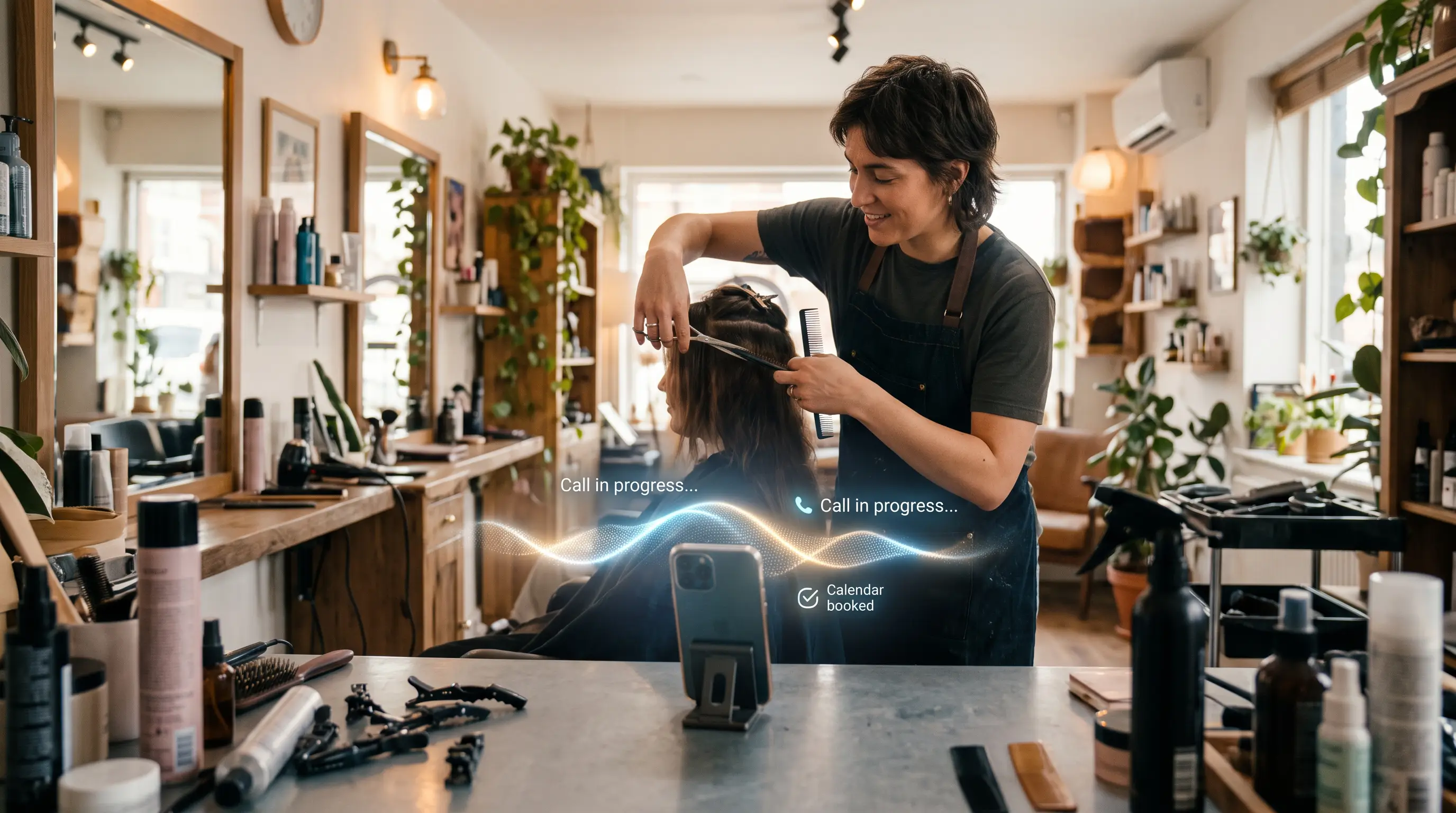
The phone rings while you are with a customer. You can’t answer, so the caller hangs up and tries someone else. If this sounds familiar, an AI receptionist for small business may be the fix you need.
This guide explains what an AI receptionist does, where it falls short, and how to try one without risk.
Quick answer: is an AI receptionist for small business worth it?
An AI receptionist is a program that answers calls and messages for you, around the clock. It handles simple questions, takes messages, and passes harder cases to your team.
It is worth it if you miss calls or enquiries today, and most of them ask the same few questions. It is not a good fit if every call needs deep judgement or a personal touch from you.
What an AI receptionist actually does
Think of it as a very patient front-desk helper. It never gets tired and never puts a caller on hold.
A good one can:
- Answer calls and chats in plain, friendly language
- Share your opening hours, location, prices and policies
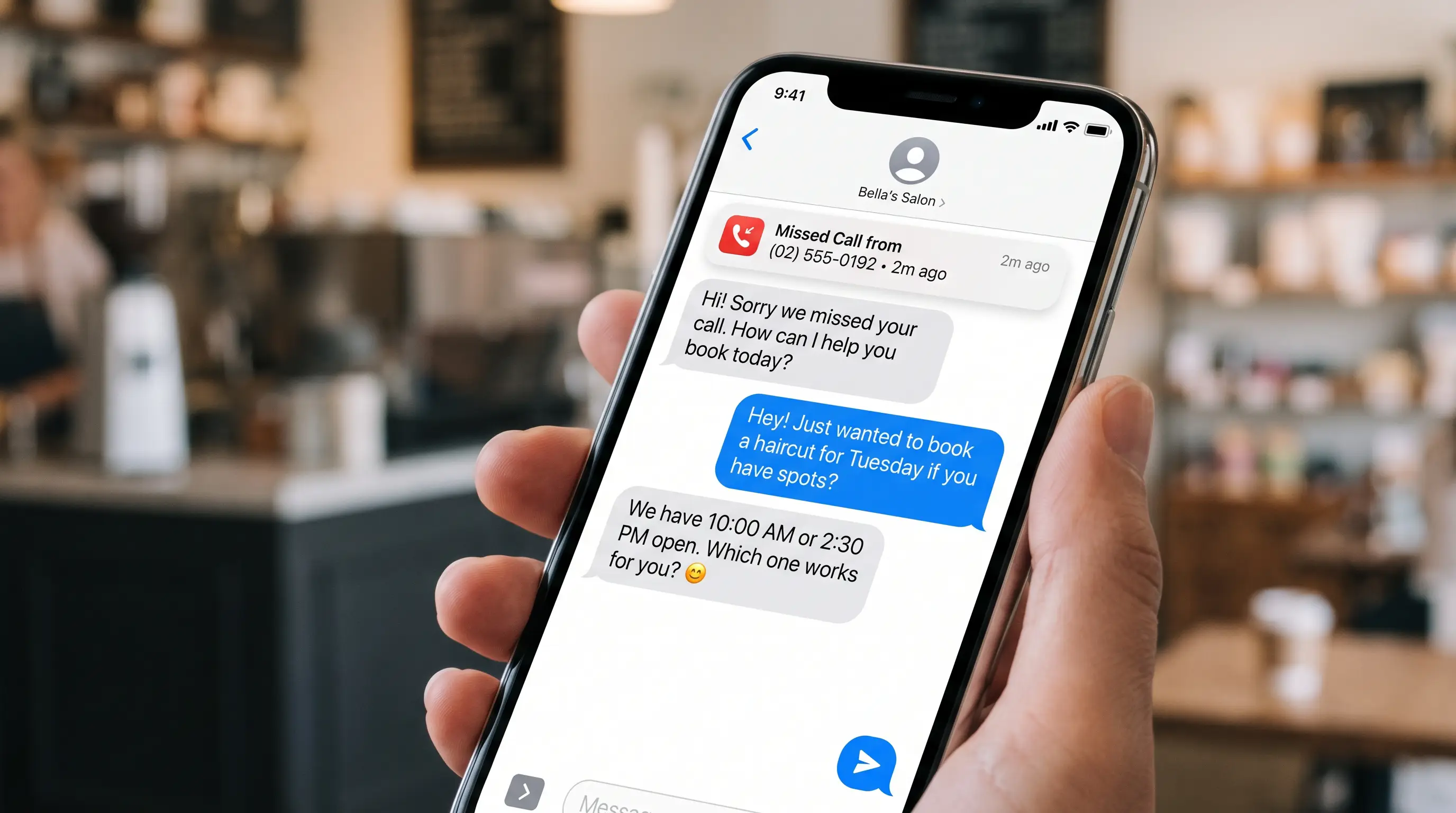
- Book appointments or site visits
- Collect a name, number, and the reason for the call
- Send you a short summary so you can follow up fast
It uses your own business details, so answers sound like you, not like a generic script.
Why small businesses lose enquiries without one
Most small teams can’t staff the phone all day. You are busy serving customers, driving, or simply asleep.
Many callers won’t leave a voicemail. They move on to the next business on their list. Each missed call is a lost chance, and you never even know it happened.
This is a stress you can feel. You check your phone at dinner. You wonder what came in overnight. An AI receptionist takes that weight off your shoulders, so you can focus on the work in front of you.
For a wider look at the problem, read why your business loses leads after hours.
The honest limits of an AI receptionist
No tool is perfect. Knowing the limits helps you set it up well.
It can misunderstand
Accents, background noise and unusual questions can trip it up. A well-built system asks the caller to repeat, or hands over to a person instead of guessing.
It should not make big decisions
Refunds, complaints, custom quotes and sensitive topics need a human. Set clear rules so the AI receptionist never promises what only you can decide.
It is only as good as what you teach it
If your price list is out of date, the answers will be too. Plan a quick review every month or so. This keeps you in control.

Why the human handoff matters most
The best AI receptionist knows when to step aside. When a caller is upset, or the question is outside its rules, it should pass the call or message to a real person. It should also tell that person what the caller already said.
This builds trust. Customers get a fast first reply and a real human when it counts. You get peace of mind that nothing important is handled badly.
A local angle: many languages, many channels
In Malaysia, customers move between English, Bahasa Malaysia and Mandarin, sometimes in one sentence. Many also prefer to message on WhatsApp instead of calling.
When you pick an AI receptionist for your Klang Valley business, test it in the languages your customers really use. Ask whether it can work on the channels they like, such as phone, WhatsApp and your website chat. A tool that fits how your customers talk will always beat one that does not.
How to start in four small steps
You do not need a big project. Start small and learn as you go.
- Pick one job. For example, answer calls after 6 PM or when the line is busy.
- List the top 10 questions. Write short, clear answers for each one.
- Set the handoff rules. Decide who gets the call or message, and when.
- Test, then go live. Call it yourself, try tricky questions, and fix what sounds wrong. Then review real conversations each week.
Once it works, add more hours, more channels or booking. This is the same small-steps idea we use in AI automation: fix one repeat task first, then grow.
What it can do for you, beyond the numbers
The practical gain is fewer missed enquiries. The personal gain is just as big.
- You stop feeling guilty about calls you could not take.
- You get evenings and weekends back.
- You feel more confident that your business looks professional at every hour.
Frequently asked questions
How much does an AI receptionist cost?
Prices vary by provider, call volume and features. Ask for a clear monthly price and check what happens if your volume grows. A quick pilot on one task is a safe way to learn the real cost.
Will customers know they are talking to AI?
Some will, and that is fine. It is good practice to be open about it. Most callers care more about a fast, helpful answer than who gives it.
Can an AI receptionist replace my staff?
It is better to see it as a helper. It covers the simple, repeat questions so your team has time for the work that needs a person.
Is an AI receptionist safe for customer data?
It can be, if it is set up with care. Collect only what you need, tell customers how you use it, and check where the provider stores data. Follow the privacy rules that apply to your business.
Final thoughts
An AI receptionist for small business will not fix everything. But for missed calls and late replies, it is one of the simplest upgrades you can make. Start with one job, keep a human ready to step in, and grow from there.
Want to see how an AI receptionist could work for your team? Our AI solutions cover AI agents built around your business, and you can talk to us about your first AI receptionist.